By Kim Lasota
Hiking in Arizona offers a unique set of perils for the ignorant or unaware.
Some of the dangers associated with hiking include heat
exhaustion, lightning, creatures (such as scorpions and snakes), falls,
and getting lost.
According to Tom Price, a two decade veteran of Pima
County's search and rescue unit, "On an average, around 200 missions are
undertaken annually. Of these, about half are hiking or wilderness
related."
Simple awareness, common sense, and perhaps a little
information will likely prevent a hiker from having to deal with these
dangers.
Health dangers to watch
Signs of heat exhaustion include: excessive sweating; cool, clammy skin; nausea and vomiting; and dizziness or headache.
Take it easy, avoid the "heat of
the day" (noon to 3 p.m.), drink plenty of water and dress to "beat the
heat." If heat stress is apparent, resting in shade and drinking
lightly-salted fluids will help.
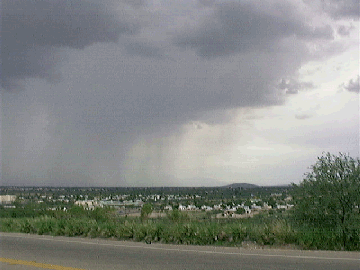 Desert storms are quick and dangerous
Lightning can be avoided
completely, usually by paying attention to the weather report before you
hike. However, sometimes summer storms cruise in and a hiker can find
it frightening to be so close to the lightning.
Stay away from high points (such as tall trees), lay flat in a field if necessary, or go to a low-lying area.
Insects can stung hard
Scorpions sting only when
frightened and live under rocks, wood, and in dark places. Shaking off
clothing and emptying boots before putting them back on is always a good
idea.
Rattlesnakes do not have to be coiled to strike and may
without any warning or noise. If a snake is encountered, stop
immediately and slowly back up and away. If bitten, keep quiet and try
to stay still. Do bind the bite area, not too tight, and loosen for 90
seconds every 10 minutes. Keep the bite lower than the heart. Always
seek medical care for any type of poisonous bite, including flying
insects.
Watch your step on and off the trail
A fall may result in a twisted or sprained ankle or worse, and can be best avoided by paying full attention and not hurrying.
"Getting lost is very hard to do in the Catalina
Mountains," said Jonason. "Being temporarily misplaced occurs sometimes,
but having a compass, a map, and knowing major points of the area are a
simple way to get back on the trail.
Books and maps related to hiking can be found at any of
the outdoors shops in Tucson, as well as the visitor's centers located
within each of the parks-such as Sabino Canyon's Visitor Center.

