|
Entertainment Magazine: Tucson Rodeo The 2026 Tucson Rodeo ParadeChris Edwards, business owner and philanthropist, as its 2026 Rodeo Parade Grand MarshalIn an era dominated by corporate chains and online shopping, Chris Edwards and Tucson Appliance Company stand out as a beacon of what local business is meant to be; personal, reliable, and rooted in community. Continue reading about Chris Edwards as Grand Marshal 2026. Tucson Rodeo Parade Route & FAQsThe 101th Annual Tucson Rodeo Parade will take place on Thursday, Feb. 26, 2026, at 9:00 a.m. In cooperation with the City of Tucson, the parade route will begin at South 12th Avenue and Drexel Road, proceed East on Drexel to Nogales Highway, then turn North, ending at Irvington Road.Included in the procession will be local and national dignitaries, Native American tribal leadership and performers, historical wagons and colorful floats, marching bands and mariachis, royalty from three rodeos and working cowboys. The League of Mexican American Women, Tucson Arizona Boys Chorus, and Mormon Battalion are entries that have been in the parade greater than 45 consecutive years. In all, the parade features over 130 entries – consisting of over 500 horses, approximately 2,300 people, 85 wagons and buggies and 11 marching bands. Continuing the tradition of no motorized entries, the entire parade is propelled by real horsepower. Entries compete in 21 prize classes ranging from Western Riding Groups and Historical to Most Comical and Multiple-team Hitch. There are three special awards: The Curt Sullivan Sweepstakes award (overall best entry), the Chairman’s Award and the Judge’s Award; and two special band awards named after past Parade Committee members, the Paul Grimes Award (Outstanding music performance) and the Bucky Steele Award (Outstanding marching performance). WHEN: 9 a.m., Thursday, Feb. 26, 2026 WHERE: The parade route circles the streets around the Tucson Rodeo Grounds. Entrants start at South 12th Avenue and West Drexel Road, travel east to Nogales Highway, north on Nogales Highway to Irvington Road/Sixth Avenue where they return to the Rodeo Grounds. The route is approximately 2.25 miles in length. Parking is available to the public adjacent to the grandstands at Drexel and Liberty; and at Rudy Garcia Park before 8:30 a.m., when Tucson Police close the streets to accommodate the Tucson Rodeo Parade. Parking is $5 per vehicle. The parade is FREE to spectators along most of its route. Ticketed grandstand seating that includes pre-parade entertainment is also available near the beginning of the parade on Drexel Road. Pre-purchased grandstand tickets are $15 each for adults and $10 for children aged 12 and under. Tickets are available online at www.tucsonrodeoparade.org. Pre-parade entertainment includes performers from Old Tucson, Mariachi Aztlan de Pueblo High School, and Los Guerreros de Pueblo Folklorico Dancers. The Tucson Wagon and History Museum is open through April 4, 2026.* Walk among more than 125 horse-drawn vehicles and great displays featuring life as it was in late 19th century Tucson. The Tucson Rodeo Parade Museum is at the Tucson Rodeo Grounds, corner of 6th Ave and Irvington Road. Museum hours are 9:30 a.m. - 3:30 p.m., Thursday-Saturday. Museum admission is $10 per adult; children under 16 are $2. Active military, first responders and educators (and families) with ID are 50% off. Tucson Rodeo Parade Route and ParkingParking is available to the public at the Tucson Rodeo Grounds before 8 a.m., when Tucson Police close down the streets to accommodate the Tucson Rodeo Parade. * Special hours during Rodeo Week 2026 - 9:30 a.m. to Noon on February 21, 22, 30, 31, and March 1st. Closed Parade Day. The parade is FREE to spectators along most of its route. Ticketed grandstand seating that includes pre-parade entertainment, is available at a new location on Drexel Road near Liberty Avenue. Pre-purchased grandstand tickets are $12 each for adults and $10 for children ages 12 and under. Limited parking is available before 8:30 a.m. adjacent to the grandstands for $5 per vehicle. Tickets are available online at www.tucsonrodeoparade.org. Included in the parade will be local and national dignitaries, Native American tribal leadership and performers, historic wagons and colorful floats, marching bands and mariachis, royalty from four rodeos and working cowboys. In all, the parade features over 120 entries – consisting of over 500 horses, approximately 2,300 people, 85 wagons and buggies and 8 marching bands. Continuing the tradition of no motorized entries, the entire parade is propelled by real horsepower. PUBLIC CONTACT: Call 520-294-1280 or visit www.tucsonrodeoparade.org for more information. Read about Tucson Rodeo Parade Safety Protocols About the Tucson
Rodeo Parade and Committee The Tucson Rodeo Parade Committee, Inc. (a 501c3) plans and organizes the annual Tucson Rodeo Parade, one of the longest non-motorized parades in the world, and operates the Tucson Rodeo Parade Museum, a collection of more than 125 historic horse-drawn vehicles in addition to Western memorabilia. For more, visit www.tucsonrodeoparade.org. The Tucson Rodeo Parade is FREE to spectators along most of its 2.5 mile route. Ticketed grandstand seating is available.
Included in the procession are local and national dignitaries, Native American royalty and performers, historical wagons and colorful floats, marching bands and Mariachis, royalty from five rodeos and working cowboys. The League of Mexican-American Women and Mormon Battalion are entries that have been in the parade greater than 30 consecutive years.
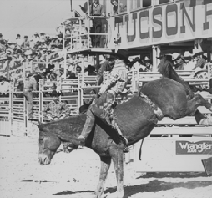 History of the Tucson
Rodeo and Parade History of the Tucson
Rodeo and ParadeIn 1924, Frederick Leighton Kramer, President of the Arizona Polo Association and later recognized as the Founder of the Tucson Rodeo and Rodeo Parade, gathered a group of local business men to discuss the possibility of having a Rodeo. Continue reading about the Tucson Rodeo Parade History. 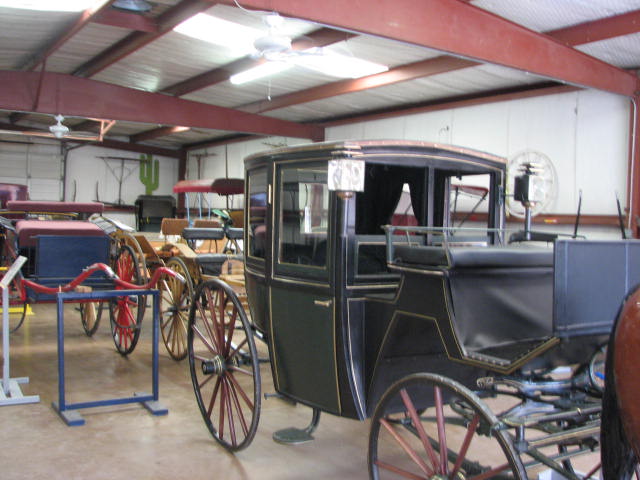 The Tucson Rodeo Parade Museum is now open. For more information about the Tucson Rodeo Parade
Tucson Parade web site: www.TucsonRodeoParade.org Tucson Rodeo web site: www.tucsonrodeo.com 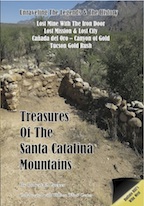 Read about the Treasures of the
Santa Catalina Mountains Read about the Treasures of the
Santa Catalina MountainsDiscover the forgotten history and legends of the Catalina Mountains– the lost Iron Door Mine, the lost city and the lost mission; the history of Oracle and Buffalo Bill Cody's gold mines in the Catalinas. Purchase copies at the Tucson Rodeo Parade Museum. Read sample chapters, download FREE PDF and order online: Treasures of the Santa Catalina Mountains. Past Tucson Rodeo Grand Marshals Tucson Rodeo Parade History Tucson Rodeo Parade Museum Tucson Rodeo Parade Committee www.tucsonrodeoparade.org web site Tucson Parade and Rodeo Index © 1995-2026 All rights reserved. Produced by Entertainment Magazine On Line (EMOL.org) |